
(BPT) - Key takeaways
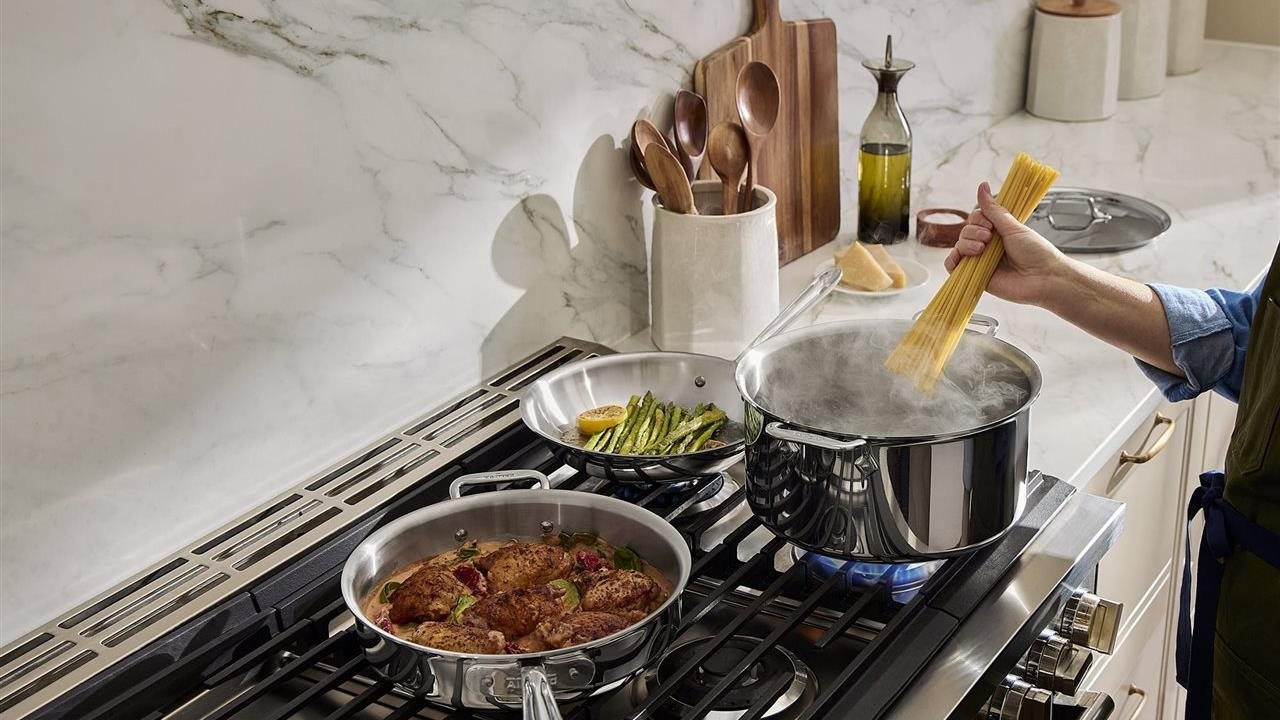
High-quality stainless steel cookware earns its workhorse reputation through versatility, durability and performance. How can you tell what's worth paying for and what's just marketing? These five questions will help you look beyond the claims and choose stainless steel cookware that's built to perform.
1. Is the cookware fully clad?
The construction of your cookware is an important part of what you're investing in: materials working together to deliver consistent results. You may see stainless steel cookware described as being "clad" or "fully clad." Cladding is a manufacturing technique that bonds layers of metal together so they function as one.
In fully clad, or fully bonded cookware, those layers extend throughout the base and up the sides to the rim. This helps distribute heat throughout the pan, including the sidewalls.
2. Do layers matter — and are more layers better?
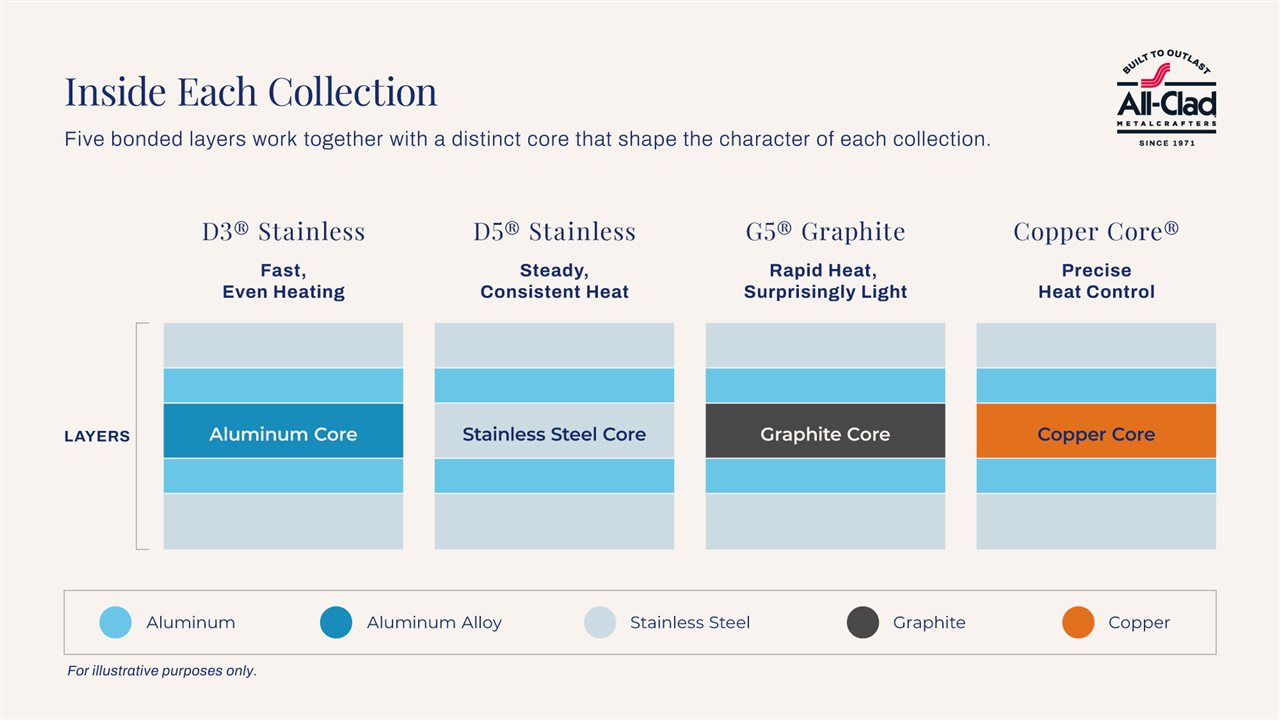
A higher layer count doesn't automatically mean better performance or a reason to pay more for a piece of cookware. Fully bonded stainless steel cookware is widely available in 3-ply, or "tri-ply," and 5-ply constructions. Ply refers to the number of sheets, or layers, of metal that are bonded together, but the materials and how they work together matter more than the number alone.
"Our formula for performance doesn't start with the volume of layers. It's about the relationship between the metals and alloys, how they're bonded together, and the overall mass and geometry of the pan," explained William Grohl, vice president of product development & technology at All-Clad.
All-Clad D3 Stainless, the original fully bonded tri-ply cookware, counts its layers functionally. Two layers of stainless steel surround an engineered aluminum core. While counted as one layer, that core contains three layers of aluminum and aluminum alloys that function together as one. When comparing fully clad stainless steel cookware, look for what the construction delivers, not how many layers are advertised. For All-Clad, the collections layers, and their cores, provide distinct benefits based on how you want to cook. D5 offers steady, consistent heat, whereas G5 Graphite is responsive with rapid heat (and cooling) and surprisingly light. Copper Core delivers precise heat control for those more experienced home cooks.
3. Is it compatible with my stove?
Cookware is only a worthwhile investment if it works with your kitchen. A stainless steel surface doesn't tell you everything about stovetop compatibility; the material on the outside matters, too. If you cook on induction, look for cookware that has a stainless steel exterior, and confirm that the manufacturer lists it as "induction-capable" or compatible. This will tell you if the cookware has the magnetic properties needed to work on an induction stove.
4. Will it work for the way you actually cook?
Cookware earns its value through how often — and how well — you use it. Fully bonded construction and carefully engineered core materials influence how evenly a pan heats, how well it retains heat and how quickly it responds when you adjust the burner.
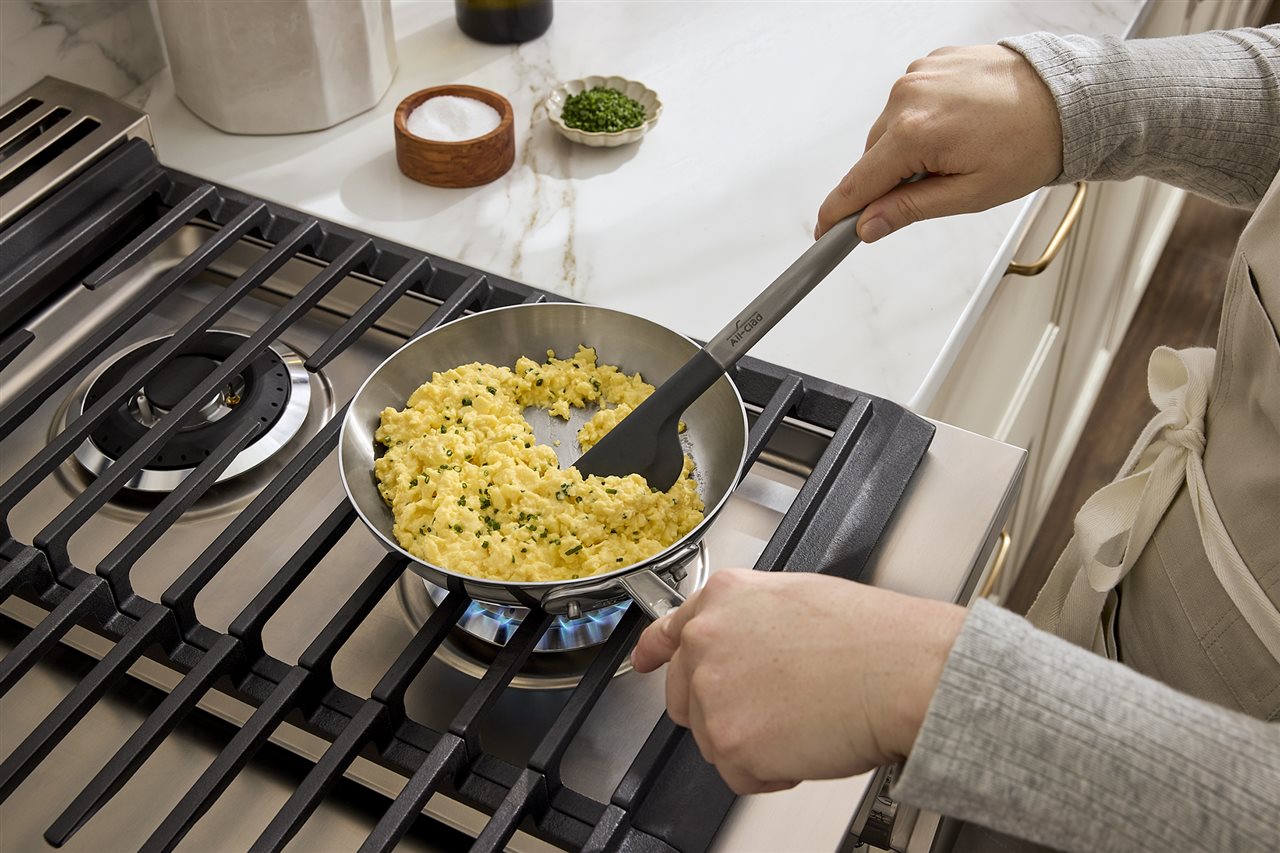
Getting the most from stainless steel also means understanding how to cook with it. Stainless steel is ideal for techniques like searing, browning and building pan sauces. Proper preheating, cooking fat and heat control can help stainless steel behave like nonstick, and make it a dependable choice for everyday use.
5. How do I care for it so it continues to perform?
When properly cared for, premium stainless steel cookware can last for generations. Stainless steel does not require seasoning, and routine cleaning is generally straightforward. Hand-washing helps preserve its finish, while occasional stubborn or stuck-on residue may call for a gentle cleanser recommended by the manufacturer.
Understanding what's behind the claims can help you choose cookware you'll reach for every day. To learn how materials and construction influence cooking performance, explore All-Clad's guide to stainless steel cookware.
This story was produced by All-Clad and reviewed and distributed by Brandpoint.


